
How to Pick the Right Porch Screen Material
When planning a screened porch, you may focus on the framing style and whether the space will be seasonal or fully enclosed. What often gets overlooked is the screen itself. The material you choose impacts how your porch looks, feels and holds up over time.
Learn the factors to consider when picking the right porch screen material and the differences between the main types.
Factors to Consider Before Picking a Porch Screen Material
Before getting into specific materials, it helps to step back and assess the factors that influence a porch screen’s performance on a day-to-day basis. These considerations impact which options will work best for your space and how you plan to use the porch.
1. Personal Taste and Aesthetics
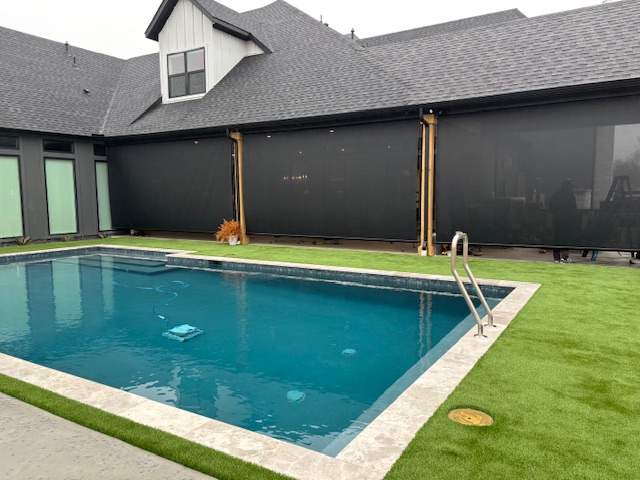
Screen color and finish impact a porch’s look and feel. Black and charcoal screens tend to fade into the background once installed. They absorb light, which helps reduce glare and make views feel more open and natural. This is often the go-to choice for porches that overlook open outdoor spaces.
Depending on the structure and style of your home, frames may blend in or create contrast. For example, a frame that matches existing trim, siding or window colors can make your porch feel like a natural extension of your house. A contrasting frame color can make your home stand out as a design element.
Frame materials also impact the overall look. Wood frames can complement traditional or rustic homes, while aluminum frames suit modern designs.
2. Climate and Weather Patterns
Weather conditions impact a porch screen’s lifespan and performance. In areas with strong sun exposure, UV resistance is vital. Screens that are not properly stabilized can fade or lose tension sooner than expected. In this case, it’s best to choose materials that are more resistant to UV exposure.
In damp or coastal climates, porch screens need to resist moisture buildup and corrosion. Materials that absorb water or oxidize tend to break down faster, while screens that dry quickly after rain and do not trap moisture offer better long-term performance.
3. Geographic Location and Environment
The location of your porch rules out certain materials. Coastal air contains salt, which can lead to the corrosion of metals like aluminum and brass if you live close to the sea.
Urban areas introduce another set of concerns, with pollution and airborne grime settling into screen materials. For these areas, consider fiberglass screen materials, which are much easier to clean compared to aluminum screen mesh.
4. Pet Resistance and Durability
If pets are part of the picture, durability is nonnegotiable. Dogs and cats lean, jump and push against screens, sometimes with considerable force. A pet-resistant screen can help to absorb impact without tearing or stretching out of shape.
Heavy-duty porch screen material uses thicker strands and stronger construction to flex under pressure and then recover. That resilience can reduce the need for frequent repairs.
5. Visibility vs. Privacy Needs
Every porch strikes a different balance between openness and privacy. Some frame views, while others serve as semiprivate extensions of indoor living or dining spaces.
Standard screens focus on airflow and visibility, which keeps the view as open as possible. When a porch faces nearby homes or busy areas, privacy-oriented options may be more appealing. Porch privacy screen material uses denser weaves that limit visibility from the outside during the day while preserving outward views from inside.
6. Fixed vs. Motorized Movement
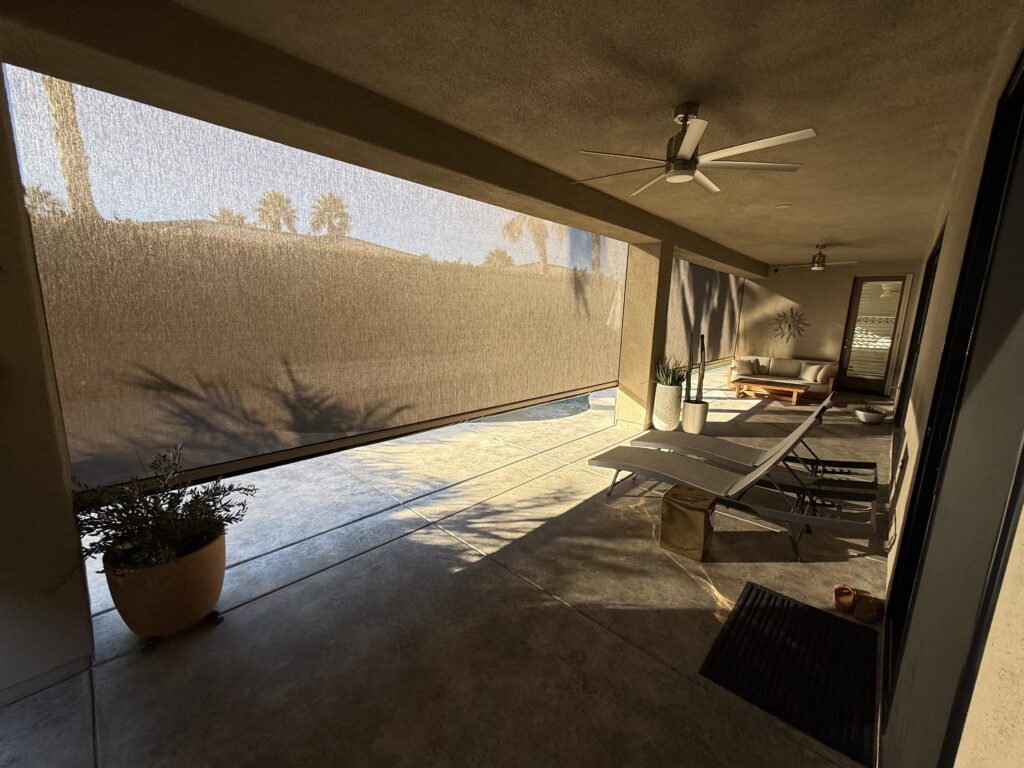
Fixed-panel screens are the traditional screened-porch option. They remain in place 100% of the time, so they require materials that resist stretching and sagging. Motorized or retractable screens lower or retract on demand, giving you the flexibility to switch between an open-air porch and a screened-in space whenever you choose.
Flexible synthetic screens perform better in motorized systems, as they handle repeated motion. Stiffer materials may wear prematurely when rolled or retracted frequently. When considering enclosed screen porch ideas that involve seasonal or adjustable panels, factor in compatibility between the screen material and the operating system.
Different Types of Porch Screen Material
Although insect protection is the primary use for porch screens, several other factors influence the material used for the screen mesh. There’s a wide variety of screen porch material options. Here’s a look at the most common — and some more niche — choices and their pros and cons.
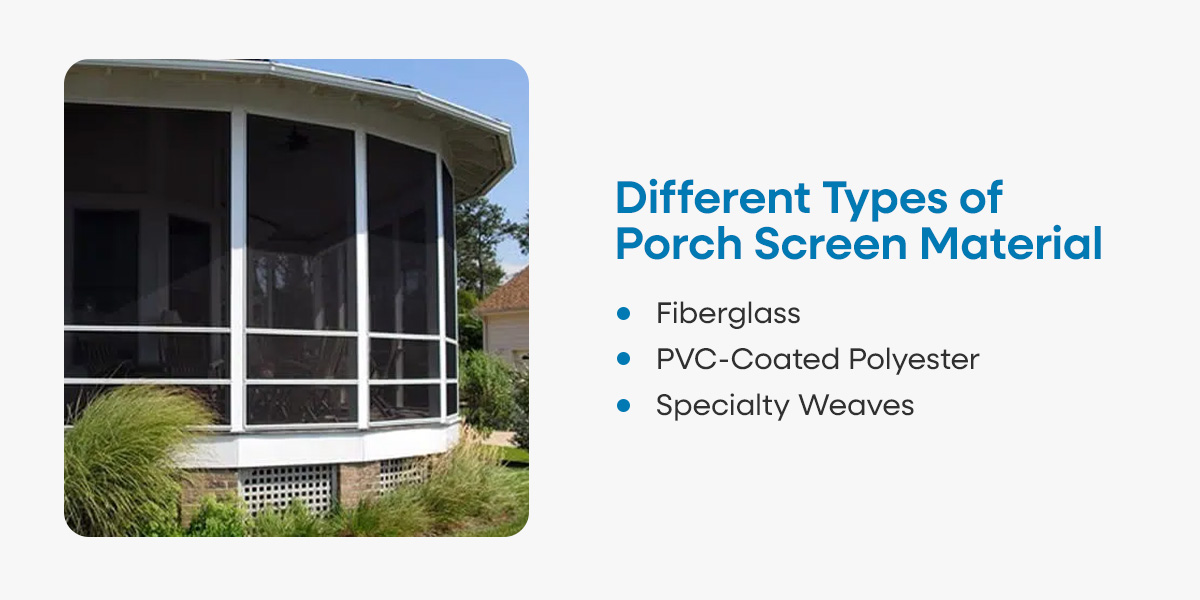
Fiberglass
Fiberglass is one of the most commonly used materials for porch screens. It is made from fine glass fibers coated in vinyl, resulting in a lightweight and flexible mesh. The material is corrosion-resistant and performs well in humid environments. It offers clear visibility with minimal glare. Fiberglass is also available in a wide variety of colors and is relatively affordable.
Its main limitation is strength. Standard fiberglass can tear under impact, so it’s less ideal for homes with pets or heavy traffic. However, for porches focused on airflow, basic insect protection and cost efficiency, it can be a solid choice.
Vinyl-Coated Polyester
Vinyl-coated polyester is known as one of the strongest porch screen materials. It combines a polyester core with a durable vinyl coating, resulting in a screen that is flexible and tough. This construction enables the screen to absorb repeated impact. The coating adds protection against UV exposure and moisture, which helps the screen hold its shape and appearance.
While visibility is slightly reduced compared to fiberglass, its durability may result in fewer repairs and longer service life.
Specialty Weaves
Some situations may call for specialized solutions, including:
- Solar screens reduce heat and glare by blocking a portion of sunlight. They improve comfort on sun-exposed porches and can help lower cooling loads in adjacent interior spaces.
- No-see-um screens use very tight weaves to block tiny insects common in coastal or wetland areas. They provide excellent insect control but reduce airflow more than standard screens.
Why Avoid Metal Screens?
Metal porch screen materials often appear durable at first glance, but they come with drawbacks that may outweigh their appeal. Here’s a look at how different types behave to help you make a better investment.
Aluminum
Aluminum screen porch material is common, but its shortcomings become obvious as it ages. While lightweight and crisp in appearance, the material lacks the resilience needed for long-term porch use. A few drawbacks include:
- Denting and deformation: Aluminum dents easily from pets or everyday contact. Once bent, it does not return to its original shape, leaving permanent distortions that affect appearance and visibility.
- Oxidation and corrosion: In humid or coastal environments, aluminum can oxidize. This leads to discoloration and gradual weakening of the mesh, even when coatings are applied.
- Glare and visual discomfort: Aluminum reflects light. During bright daylight or low-angle sun, this reflection can create glare that makes the porch less comfortable.
- Maintenance requirements: As oxidation progresses, aluminum requires more frequent cleaning to maintain its integrity. Repairs may be challenging because damaged sections cannot be easily reshaped or reinforced.
- Cost versus long-term value: Aluminum screens may appear affordable up front, but their tendency to dent and require replacement may result in higher lifetime costs.
Bronze, Brass, Copper and Stainless Steel
Bronze, brass, copper and stainless steel screens are sometimes chosen for their traditional appearance or perceived durability. However, their drawbacks limit their practicality for most porch applications:
- Ongoing maintenance requirements: Bronze, brass and copper oxidize over time, developing patinas that reduce visibility and restrict airflow. The ongoing oxidation requires regular cleaning and monitoring to prevent performance loss. Stainless steel requires protective coatings to resist rust, and if those coatings degrade, corrosion can spread.
- Cost versus value: Bronze, brass and copper are more expensive than synthetic screens and add considerable weight to framing systems.

Get the Perfect Porch Screen Fit With Screenmobile
Selecting the right material is only half the process. Proper installation allows your material choice to perform as expected. Screenmobile has over 40 years of experience installing porch screens for residential and commercial markets. As America’s Neighborhood Screen Stores®, we operate a strong nationwide franchise network that brings experienced technicians to your home or business.
Our team works with you to select materials that align with your climate and lifestyle. For homeowners and businesses interested in added flexibility, our motorized screens are custom-made to order for a proper fit.
Fill out a quote form today to get in contact with your local installer, who will be happy to discuss your options.